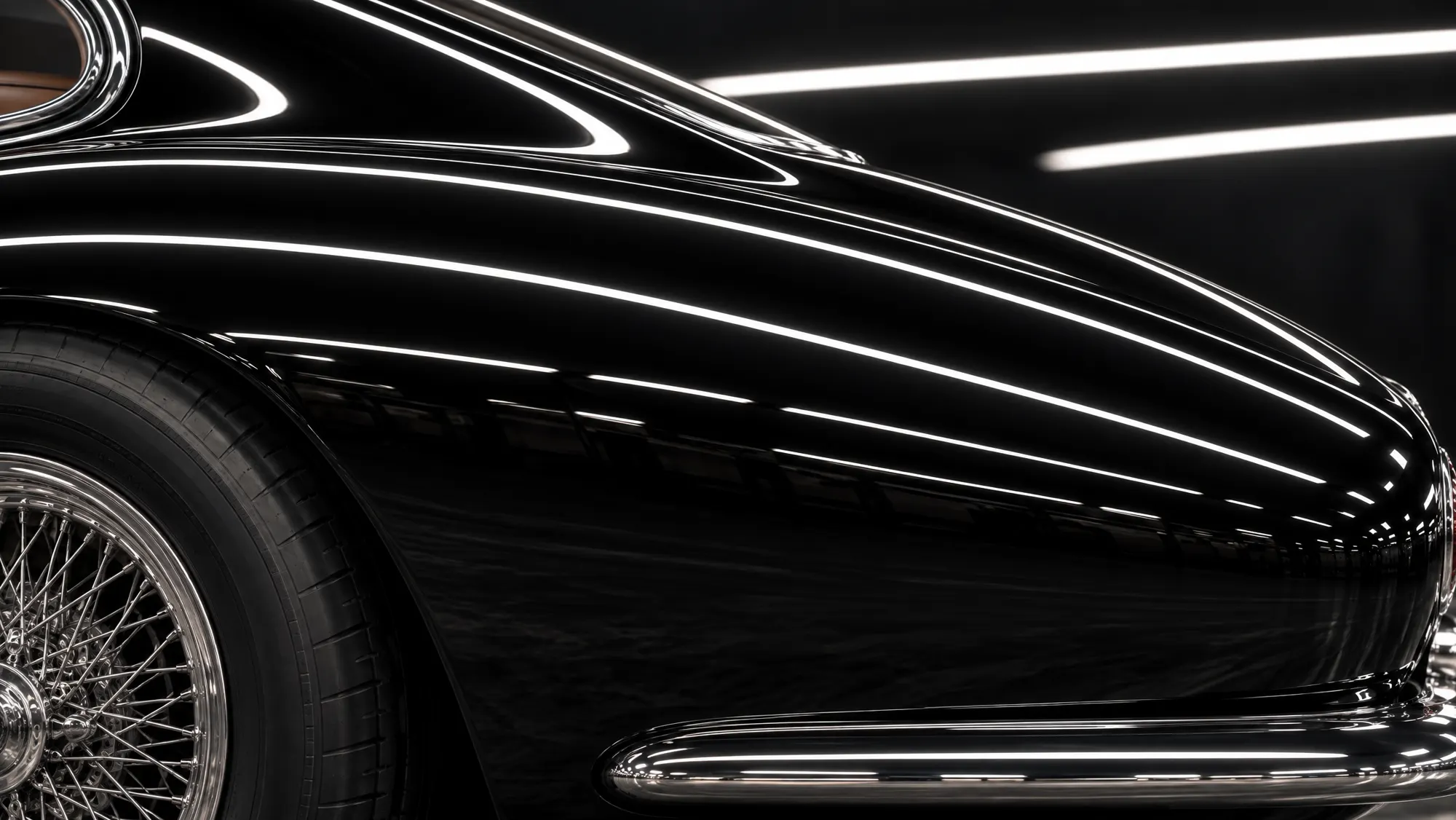
Ceramic coating is worth it if you plan to keep your car for years, it lives outside, and you want washing to be faster and easier. It is not worth it if you’re hoping to stop rock chips and scratches, because it won’t.
Everything else comes down to budget, and to how much you dislike reapplying wax.
What you’re actually paying for
A ceramic coating is a thin, hard layer that bonds to your clear coat. Water beads and slides off, dirt sticks less, and grime rinses away more easily. It also adds gloss and helps shield paint from UV, road salt, and contaminants.
The everyday payoff is mostly time. A coated car is quicker to wash, and you stop thinking about how long your wax has left.
What a coating won’t do
This is where expectations go wrong, so read it twice.
- Stop physical damage. Rock chips, door dings, and deep scratches still happen. If chips are your main worry, read PPF vs ceramic coating first.
- Fix bad paint. Swirls and etching get sealed in unless the paint is corrected before coating. If you’re not sure what you’re looking at, here’s what causes swirl marks.
- Replace washing. You still have to wash the car, and you have to do it properly.
- Prevent water spots. Coatings help, but spots can still form when mineral-heavy water dries on the surface. At least one coating warranty specifically excludes spotting from tap or sprinkler water.
What it costs
Prices vary a lot by region, vehicle size, and paint condition. These are typical ranges, not quotes.
| Option | Typical price |
|---|---|
| DIY kit | About $50 to $150 for the kit |
| DIY job with prep supplies | About $200 to $400 |
| Professional, entry level | About $500 to $1,000 |
| Professional, mid tier | About $1,000 to $2,000 |
| Professional, premium | About $2,000 to $3,500 |
Autoblog says professional installs often run between $600 and $2,000. The tier figures above come from Feynlab, a coating maker, so treat them as a rough map rather than a price list.
Prep is the big swing factor. A proper job means a thorough wash, chemical decontamination, a clay treatment, and paint correction before any coating goes on. Feynlab says heavily damaged paint that needs multi-stage correction can add $1,200 to $2,500 or more on its own. So when you compare quotes, ask whether correction is included. A cheap coating over unprepared paint isn’t a bargain. For context on what other services run, see how much car detailing costs.
How long it really lasts
Ceramic coatings typically last one to five years, according to Autoblog. DIY kits land at the shorter end, from several months to a couple of years. Professional coatings can reach five years or longer.
Those are ranges, not promises. Lifespan depends on the product, the prep, your climate, and how you wash. CarPro, which sells coatings, tells owners to expect about four to five years of strong performance from its own product on a reasonably maintained daily driver, and says sun, minerals, road salt, and sand all shorten that.
Be skeptical of “lifetime” and 10-year claims. A marketing number is a best case, and your car lives in the real world.
Upkeep matters too. Use pH-neutral soap and microfiber, and avoid harsh detergents and automatic washes with stiff brushes. Many detailers also suggest a ceramic-safe booster spray every few months.
Read the warranty before you pay
A long warranty can sound like proof of durability. Often it’s narrower than that.
- Some warranties depend on annual inspections or top-coat visits. Tint World’s terms, for example, cut the coverage period if you miss a yearly service.
- Opticoat’s terms exclude stone chips, scratches, and damage from wash brushes.
- CarPro points out that its own warranty doesn’t promise permanent water beading.
Before you sign, ask four things. What voids this warranty? Do I have to come back every year, and what does that cost? What exactly counts as a failure? Who decides?
So, should you buy it?
It’s probably worth it if:
- You’ll keep the car for several years
- It parks outside, or you deal with road salt or strong sun
- Your paint is in good shape, or you’re willing to pay for correction
- You’ll wash it the right way and skip stiff-brush automatic washes
You can probably skip it if:
- You’re selling the car soon
- Your main goal is stopping chips and scratches
- You’re on a tight budget and don’t mind a few hours of upkeep a year
- Your paint is badly swirled and you don’t want to pay to correct it
If you’re in the middle, a synthetic sealant gets you months of protection for far less money. This comparison of ceramic coating, wax, and sealant lays out the trade-offs side by side.
If you decide to go ahead, get quotes from a few detailers in the directory and ask each one exactly what prep is included.